
Beyond the Tourist Trap
Real Stories Behind Rome's Street Vendors
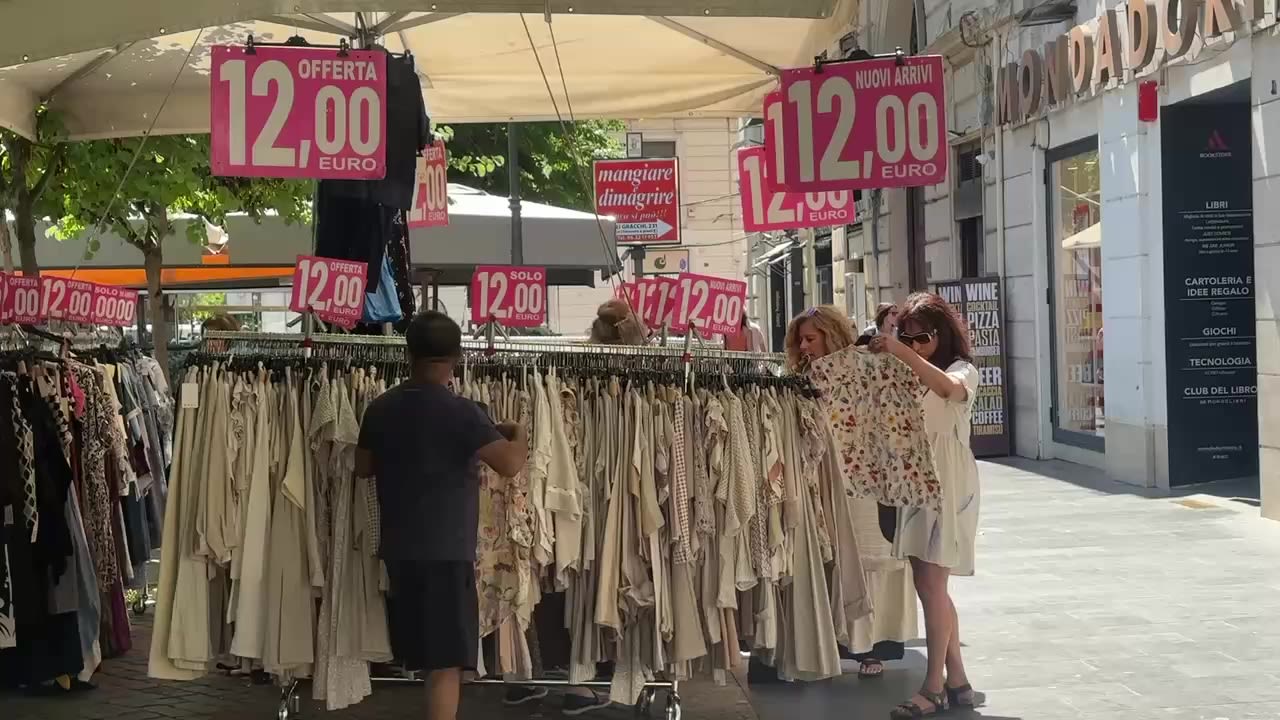

Picture ancient Rome: bustling streets alive with chatter, vendors displaying goods on every corner, crowds weaving through markets. This scene of commerce and community has defined Roman life for millennia. From the ancient forums to today's bustling neighborhoods, street vendors are woven into the fabric of Roman life today and have been for over two thousand years.
Street vendors have long provided economic opportunities for Rome's marginalized groups and immigrants. Archaeological evidence from Pompeii and Ercolano reveals elaborate networks of tabernae, street-level shops and food vendors that served locals and travelers in the first century AD.

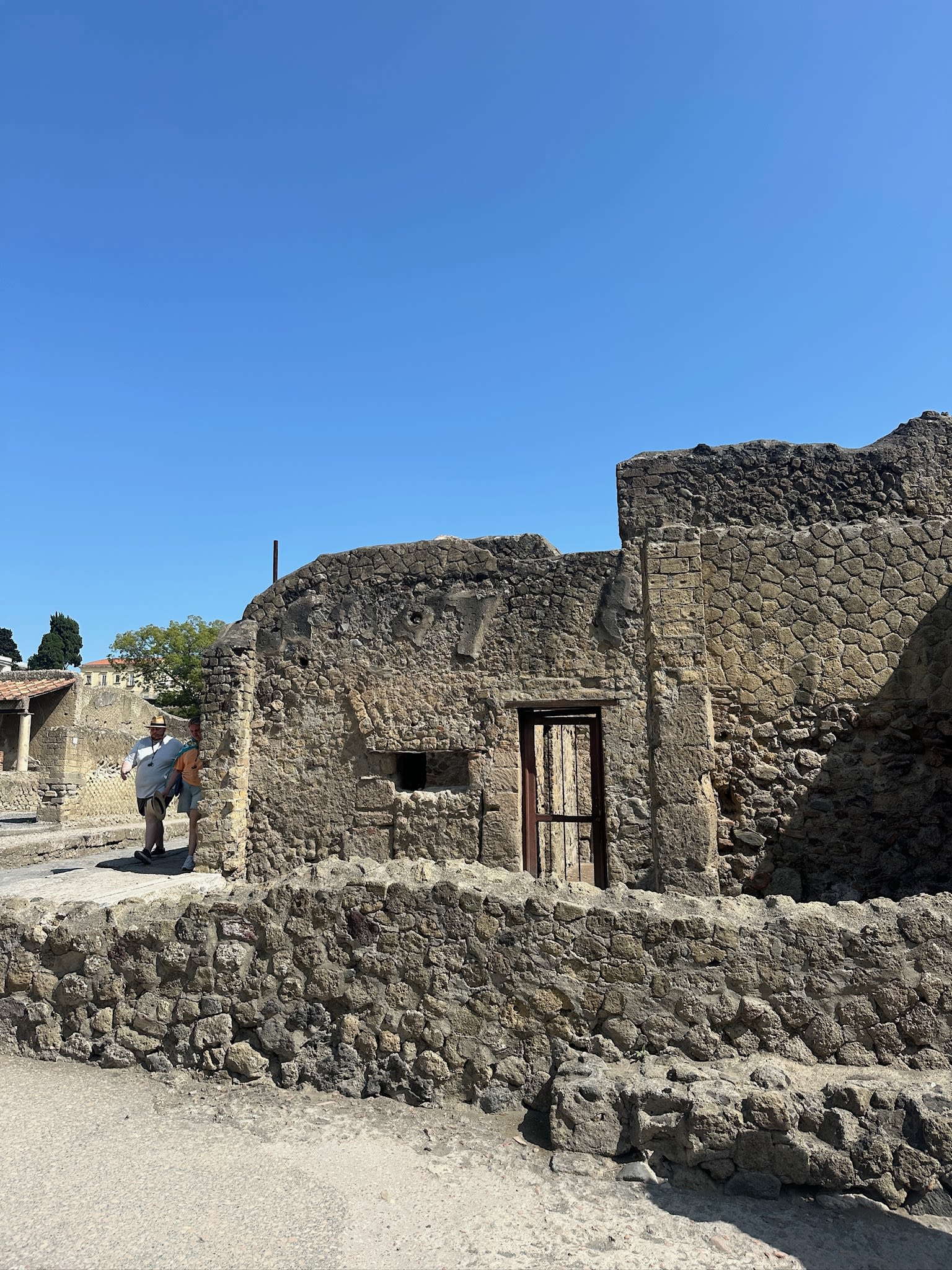
Image by Lindsey Lolkema
Image by Lindsey Lolkema
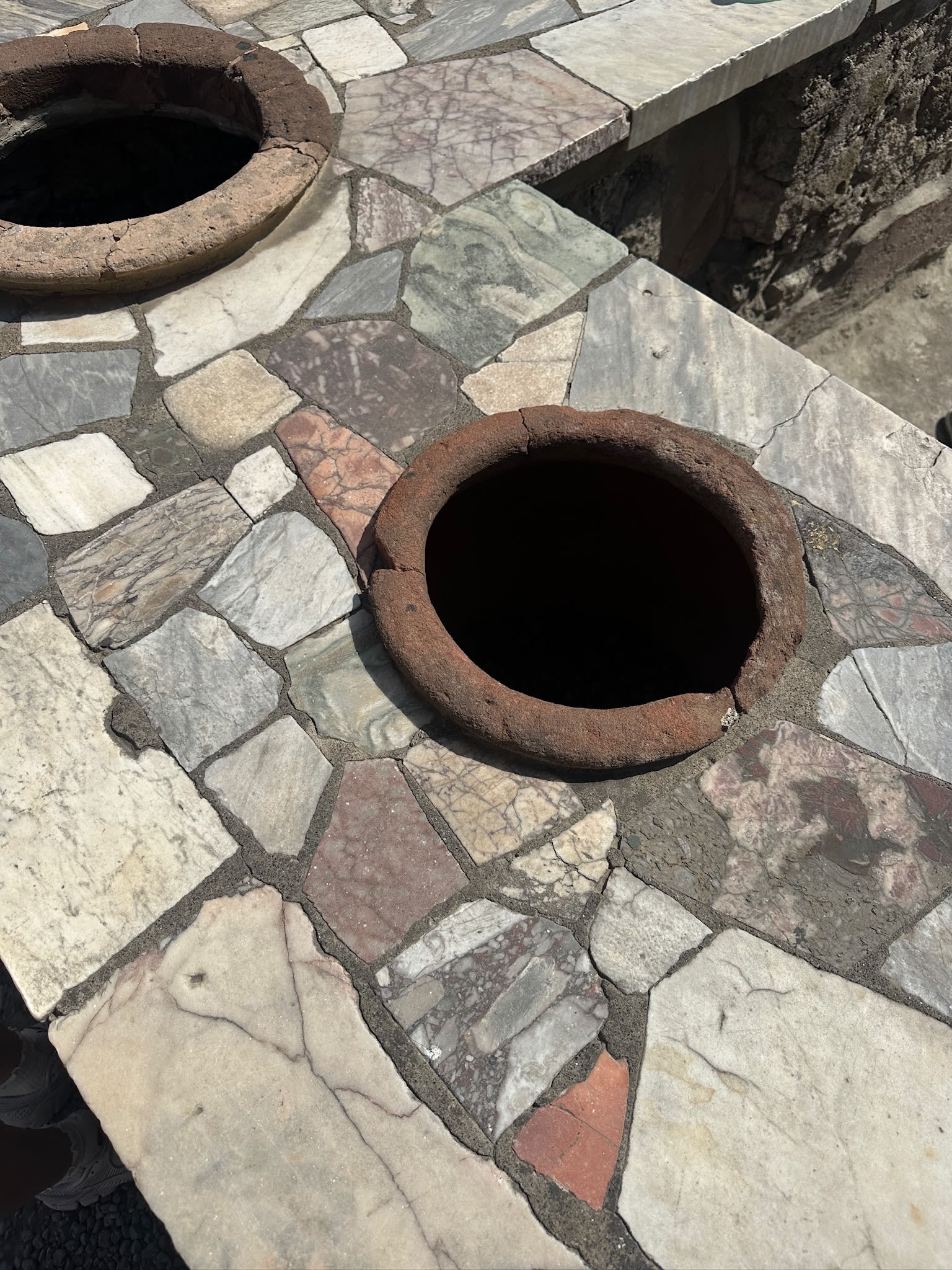
Image by Lindsey Lolkema
Image by Lindsey Lolkema

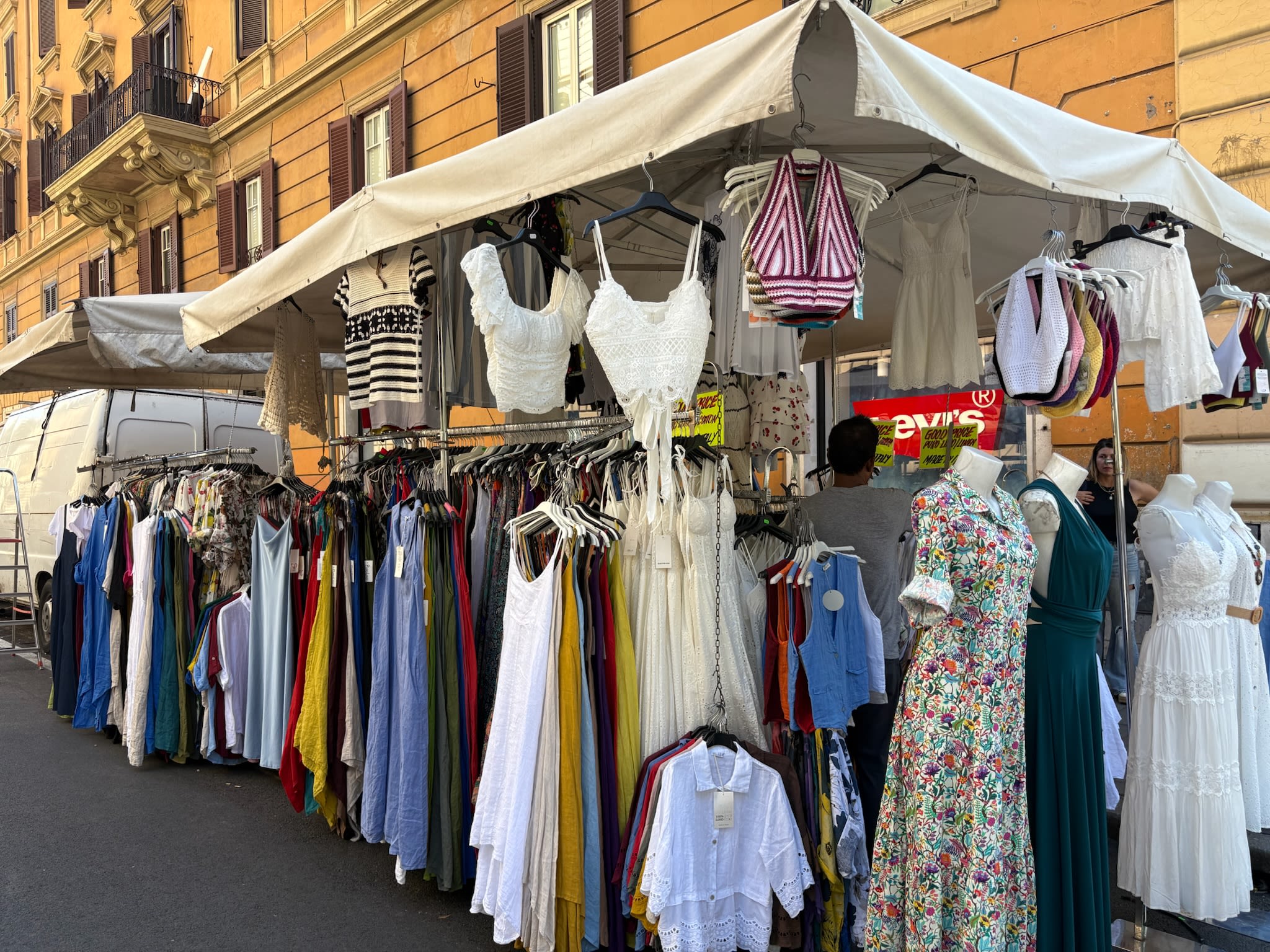
Image by Denivia Rivera
Image by Denivia Rivera
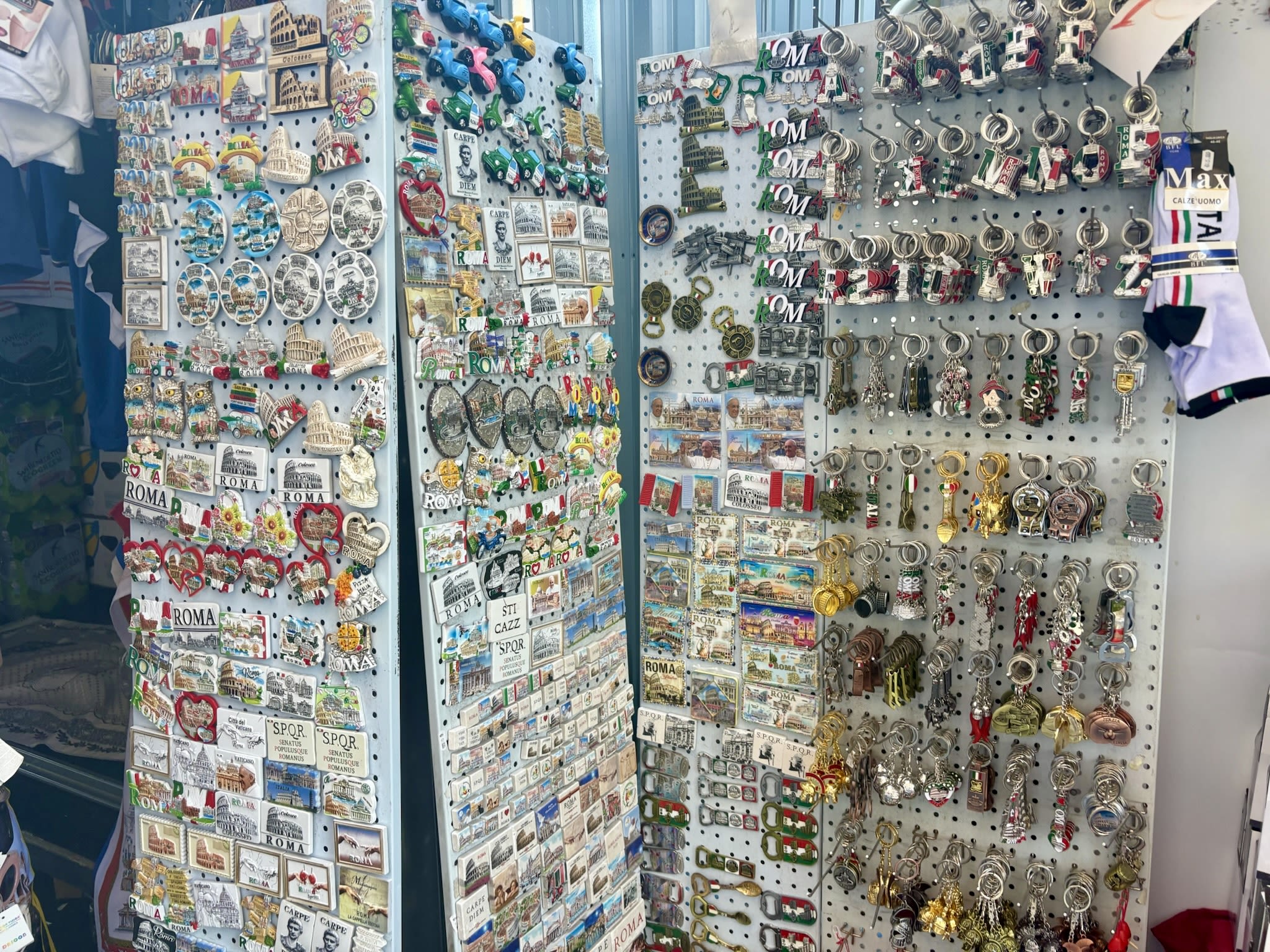
Image by Denivia Rivera
Image by Denivia Rivera
While modern Rome may look different from its ancient counterpart, today's street vendors continue to carry on what generations before them started, adapting ancient trade practices and community building to contemporary life.
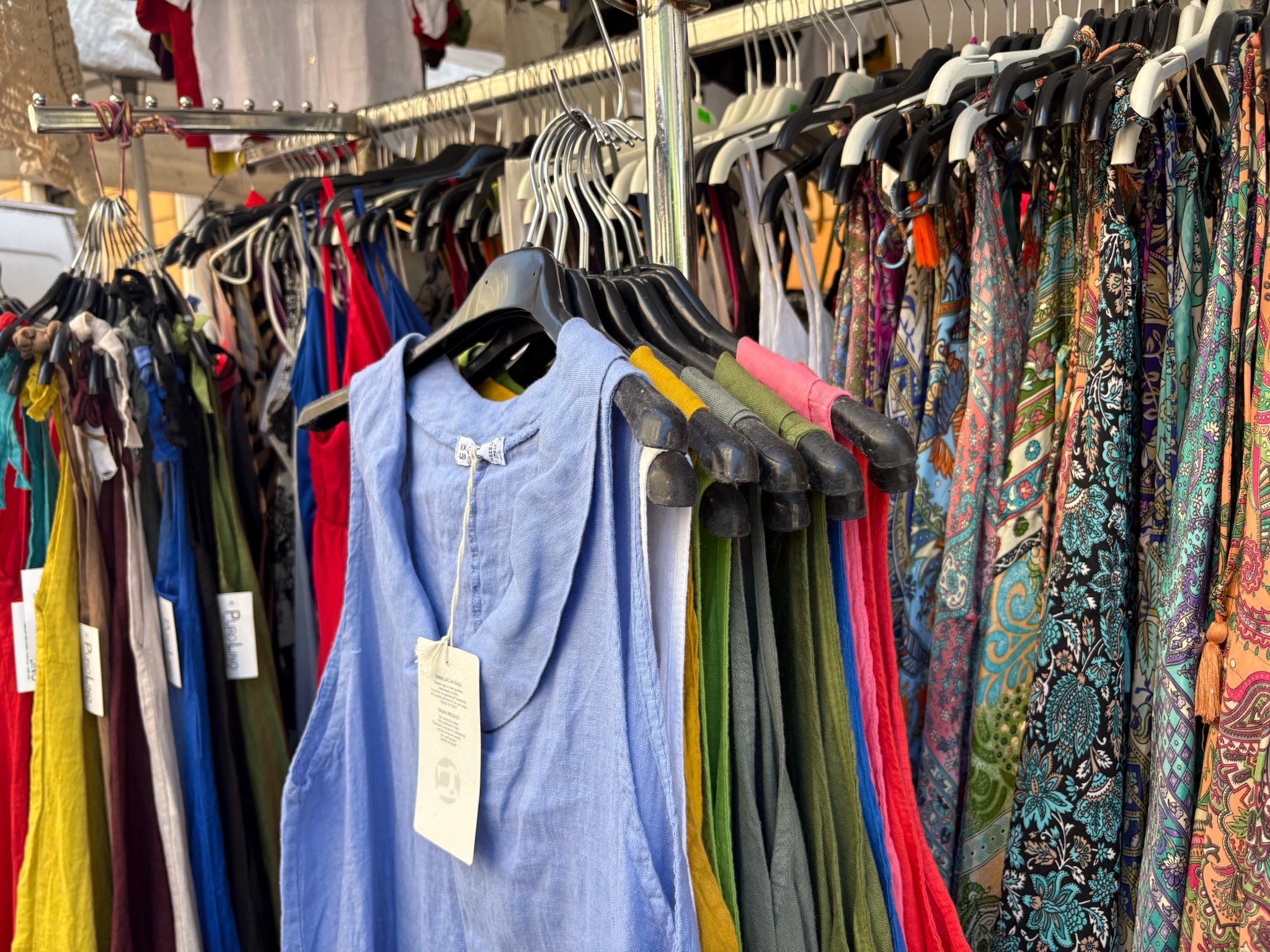
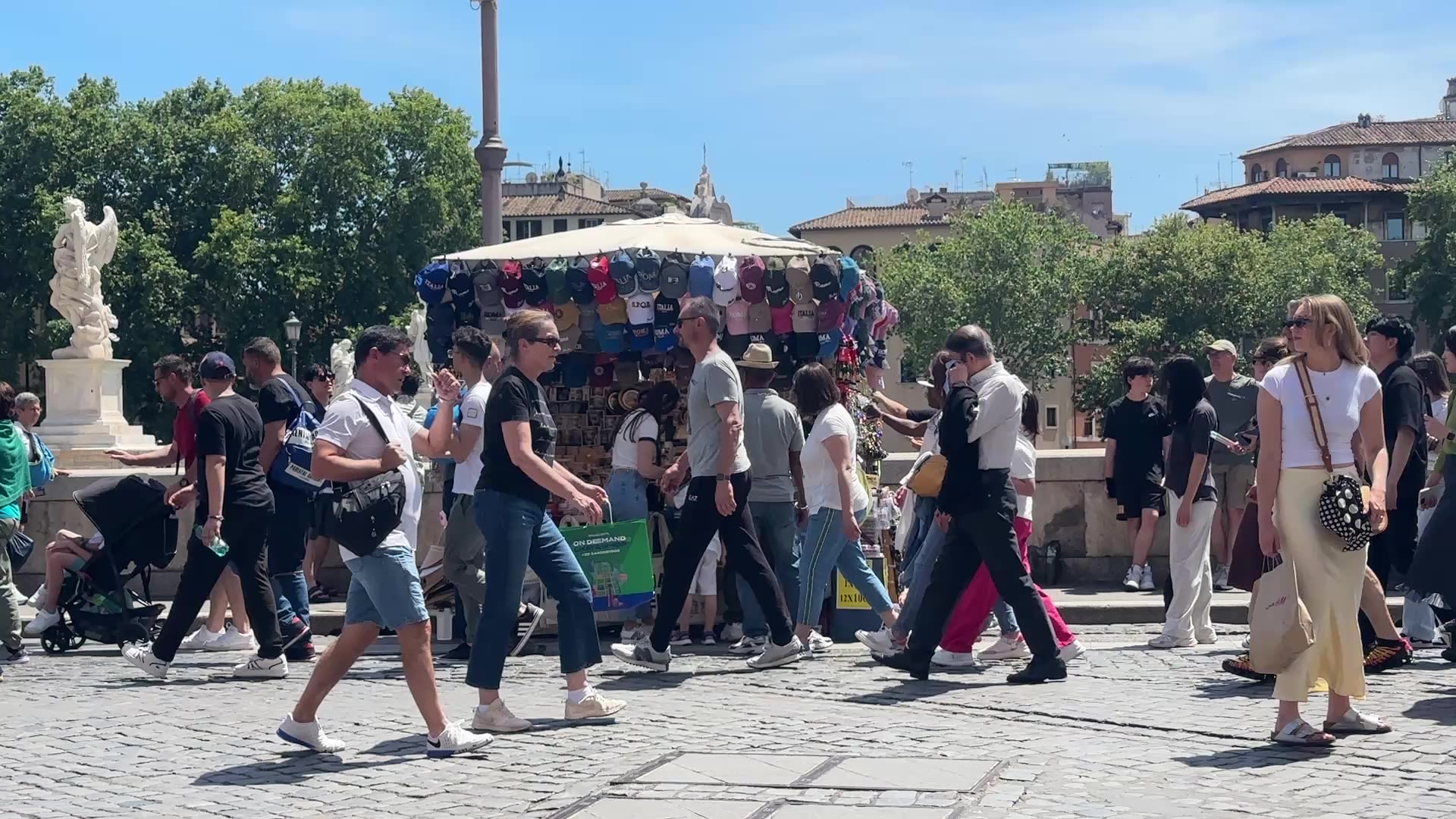
At first glance, the street vendors of Rome present a predictable display: clothing racks advertising steep discounts, souvenir stands stocked with keychains and shot glasses, tote bags bedazzled with the Colosseum. But beyond these surface impressions lies a more telling reality, and the story of a business.
Vendor and Local
Ties Between the Two



Michela Basile, street vendor and owner of her business “Michela”, said she began selling on the streets of Italy during the Covid-19 pandemic after losing her job.
“I used to be in California for work, and I returned to Italy. I started selling online for a friend of mine, and it was fun,” Basile said. “At first, I opened one shop on one street and after I opened another one.”
Basile said she currently has multiple locations for her business and enjoys selling on the street because she can enjoy the Italian weather while meeting new people every day.
“I have this location. I have one in Piazza Mazzini, which is close by, one in Parioli and in the summer time, we're going out to the seaside of Rome.”

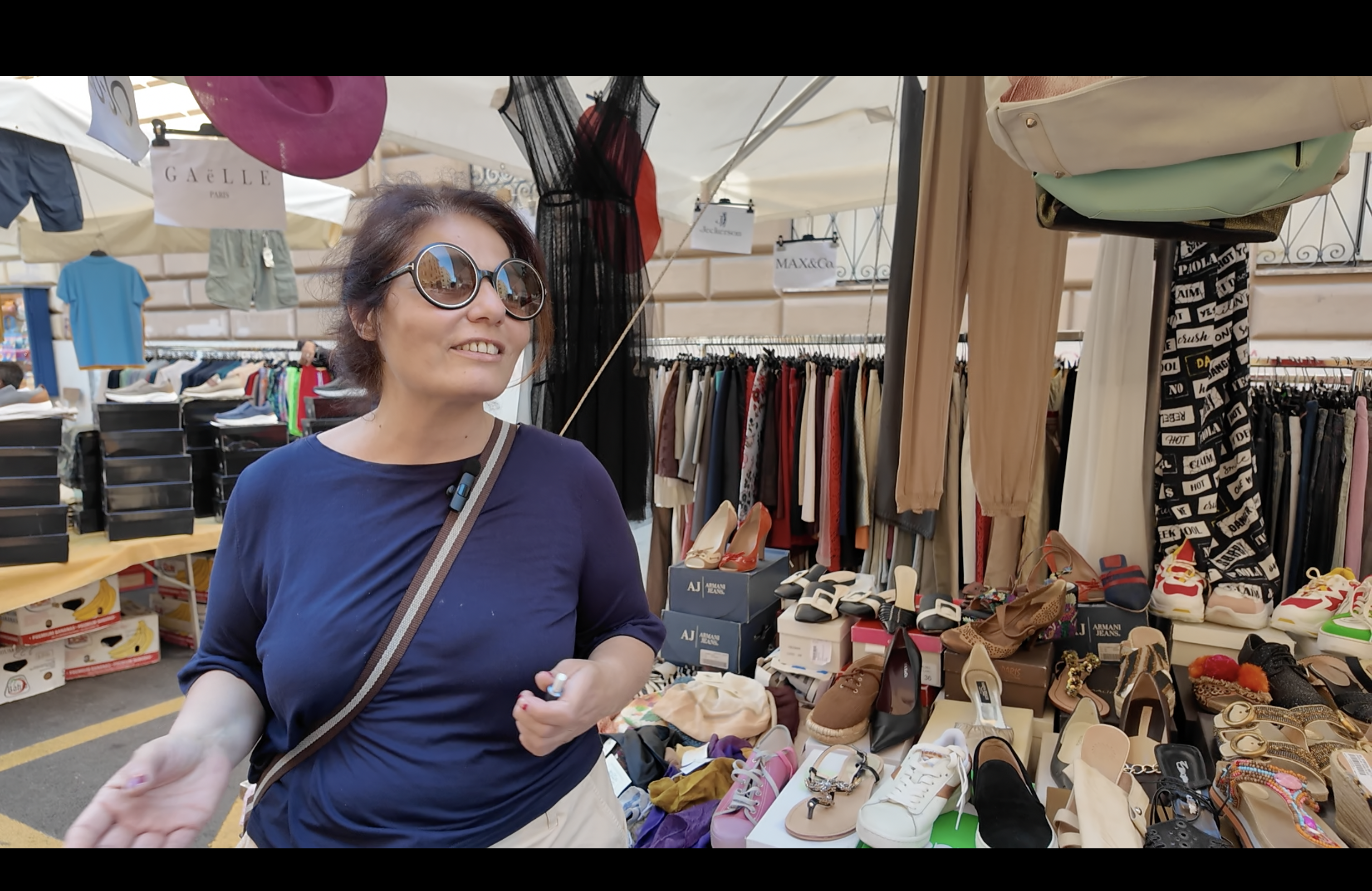
Image by Clara Pedro
Image by Clara Pedro
Despite street vendors often being a tourist attraction, Basile said most of her clients are locals. She said her business focuses on selling Italian-made items for a more affordable price.
“On the street, they like to see me on the corner so I usually stay on the corner, but I don’t have too many tourists,” Basile said. “People expect everything to be the same thing for the same price, but I sell particular items that are all made in Italy and Italian brand, a small couture brand or Italian couture for the cheapest price or a reasonable price.”

Annamaria Rizzolo Bruzzese, Italian local, affirmed that street vendors are often a popular attraction for people of all walks of life to purchase items at a more affordable price.
“Street vendors are an attraction for those who take a walk [around the city], because compared to stores, maybe you can buy things at a lower cost,” Bruzzese said. “It’s a bit of a tradition to have street vendors in many areas of Rome.”
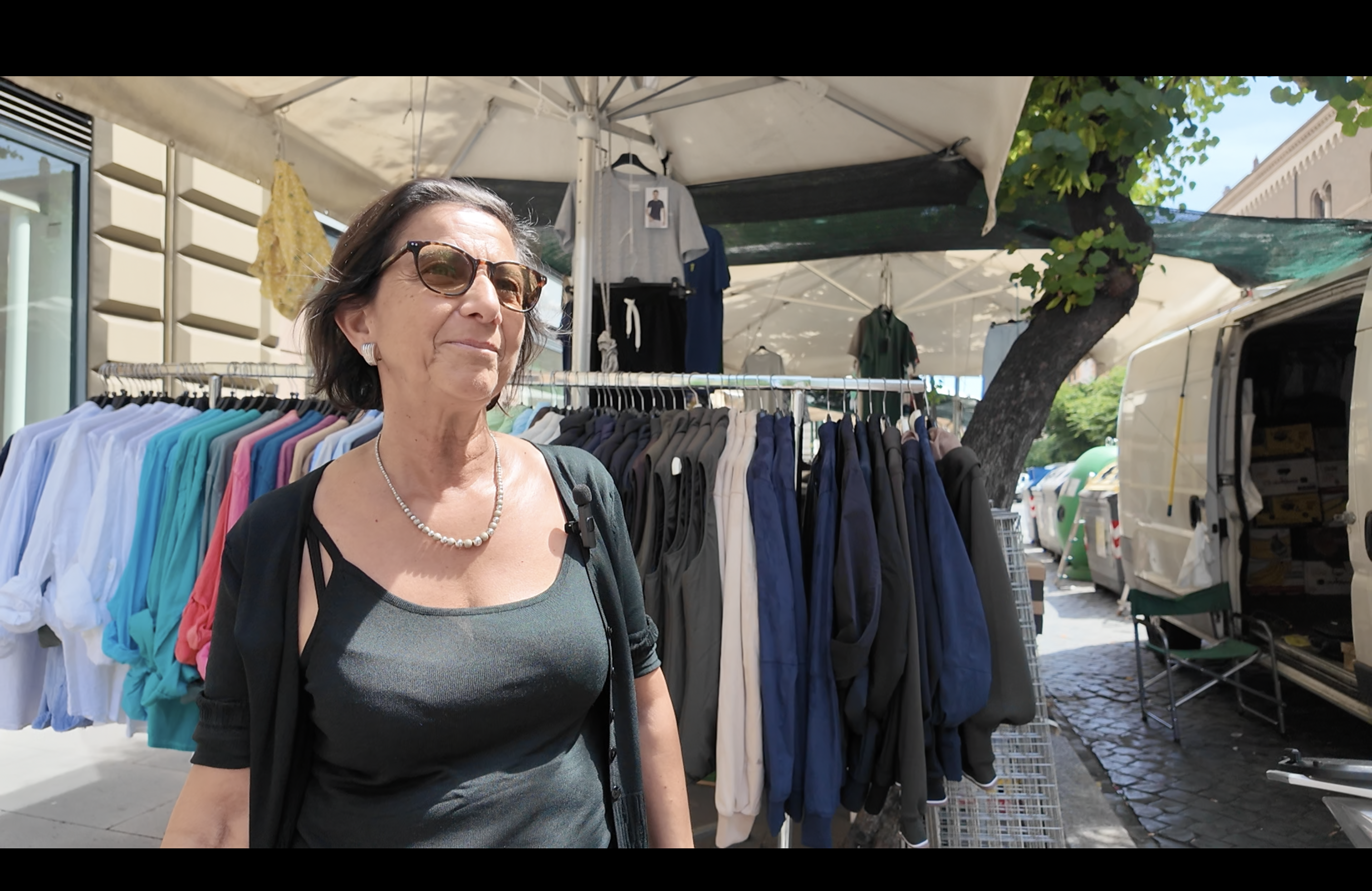
Image by Clara Pedro
Image by Clara Pedro
While street vendors are sometimes viewed as harmful to local small businesses, Bruzzese said vendors need to work and make money too.
“They might take away some business from local businesses, but it’s also true that they need to work and make money. Whoever is used to shopping in one place or one store will continue to do so there, and street vendors can be like that too, a momentary attraction,” said Bruzzese. “We have room for everyone. They have to work too.”
Basile said she has clients from all over the world who consistently shop with her because of the quality products she sells and the price she sells them for.
“I have a few American people that come like four times a year, and they always shop with me because they recognize the quality that I sell,” Basile said. “I have like two Australian people as well as people from Nigeria and from London. They call me, and we arrange an appointment. Two times a year I do a preview for winter and summer where I invite all my clients and we do a big party event.”
Basile said when she first started her business, it was difficult to find consistent clients because people had to grow to know and trust her as a seller.
“The point is that each day that you come in here you always get the trust of the people,” Basile said. “This is my heart and my business. The people understand the quality of what I have with dresses, pants and shoes.”
Basile said she travels all around Italy to find the best quality products and decide if they are a good fit for her shop and her clients. She said she sells her products for more affordable prices.

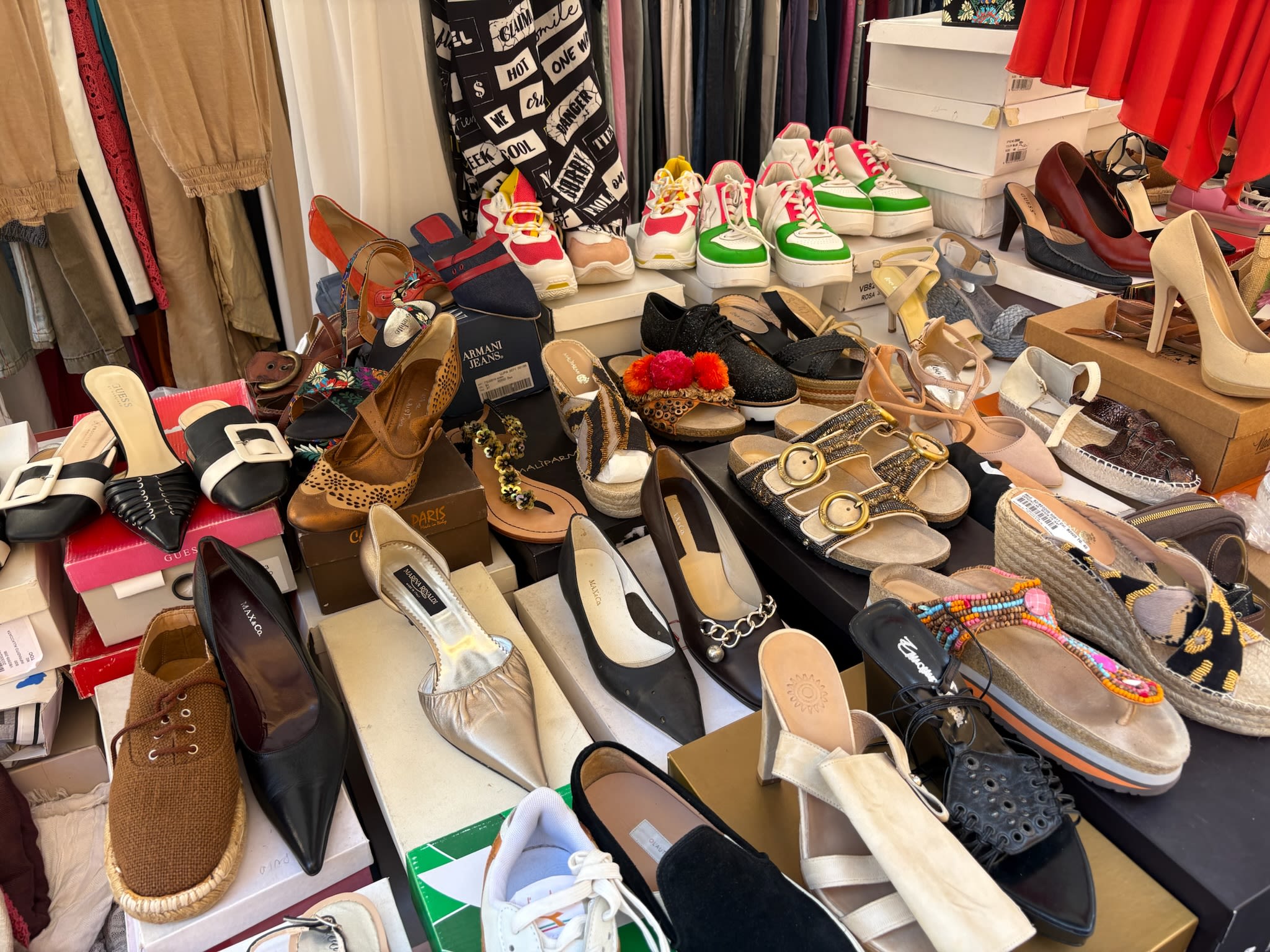
Image by Denivia Rivera
Image by Denivia Rivera
Bruzzese said even as an Italian local she sometimes finds herself buying from street vendors.
“Honestly, I’ll tell you that sometimes I do find myself buying [from street vendors], something that maybe I’ll also undoubtedly see in stores but for four or five euros less, and so then I’m motivated to buy,” Bruzzese said. “But it’s also true that I have my preferred stores. I go to the same stores because I like it there, but I don’t look down on buying from street vendors. I like them too.”
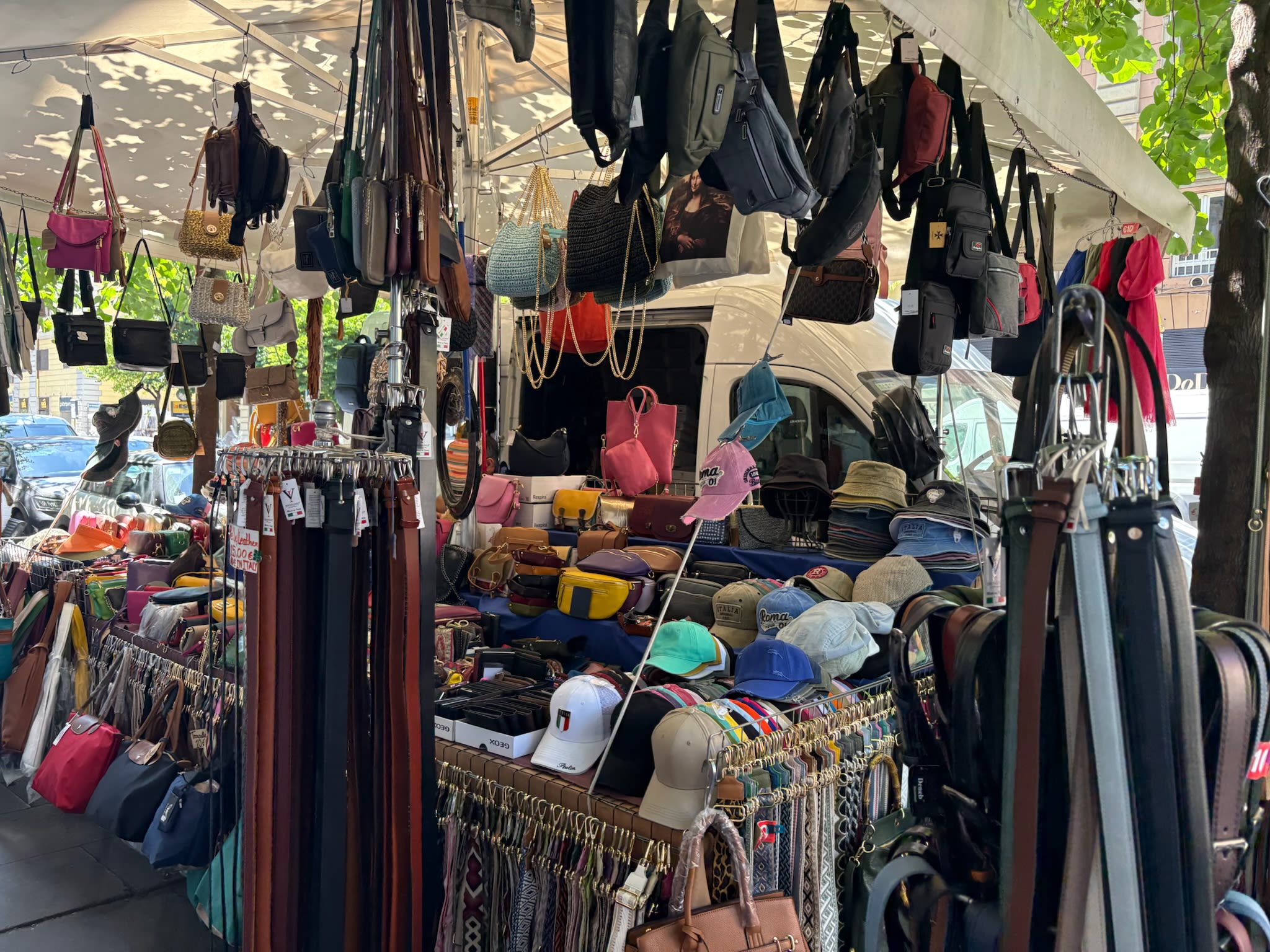
Image by Denivia Rivera
Image by Denivia Rivera
Basile said selling her products to people is different every day and her business allows her to have freedom.
“Every day it's like a new day, that's why I never feel tired, but like the same, like flat. Every day you meet different people, and it's not like having a shop because once I get tired, I go home,” Basile said. “In my life it's very important that I have the freedom to decide because I can balance my life with my business together.
“Everybody thinks that Italian people don't work too much but we work to get a better life not less life,” Basile said. “Much of that work is balance and that is what gives me this kind of freedom.”
 Built with Shorthand