Nouvelle Cuisine: the Hipster Chef’s Unrecognized Culinary Guide
Experimental and international dishes with new-age feel are taking over modern cooking
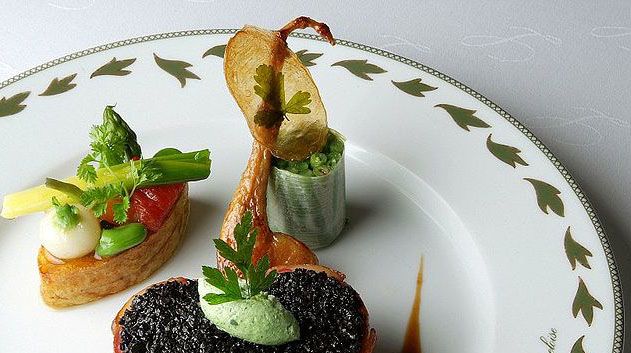




"Hvide asparges med pocheret æggeblomme og skovmærkesauce," or White asparagus with poached egg yolk and sauce of woodruff, served at Noma restaurant in Copenhagen, Denmark. Photo credit Wikimedia Commons.
"Hvide asparges med pocheret æggeblomme og skovmærkesauce," or White asparagus with poached egg yolk and sauce of woodruff, served at Noma restaurant in Copenhagen, Denmark. Photo credit Wikimedia Commons.
All footage retrieved from Adobe Stock and creative commons licenses.
S’moagies, the infusion of s’mores and Philadelphia hoagies, have made recent headlines, along with Yemeni coffee shops, coconut-harissa meatballs and maple za’atar kettle corn. Each of these dishes and restaurants incorporate ingredients or elements from cuisines around the world. They are different from one another, but aggregated into a new cuisine – a nouvelle cuisine – they indicate shifting norms in cookery and beyond.
New superfoods, food fads, food trends and other edible mediums have the potential to open channels for human communication– take the new “Friendsgiving” tradition, for example. The celebration of food and the experience of food is a medium for seasonal festivities, and tradition is twisting into newfangled ricotta and cauliflower casseroles, sweet potato merengue and curried pumpkin soup.


“Sytelde grøntsager” or pickled vegetables, a traditional Swedish dish with nouvelle cuisine presentation. Photo credit Wikimedia Commons.
“Sytelde grøntsager” or pickled vegetables, a traditional Swedish dish with nouvelle cuisine presentation. Photo credit Wikimedia Commons.
Nouvelle Cuisine in application...
The experimentalism behind new dishes isn’t young or revolutionary, but the conglomerate-like nature of modern cuisine has dawned a new culinary tradition through cooking media and new-age restaurants.

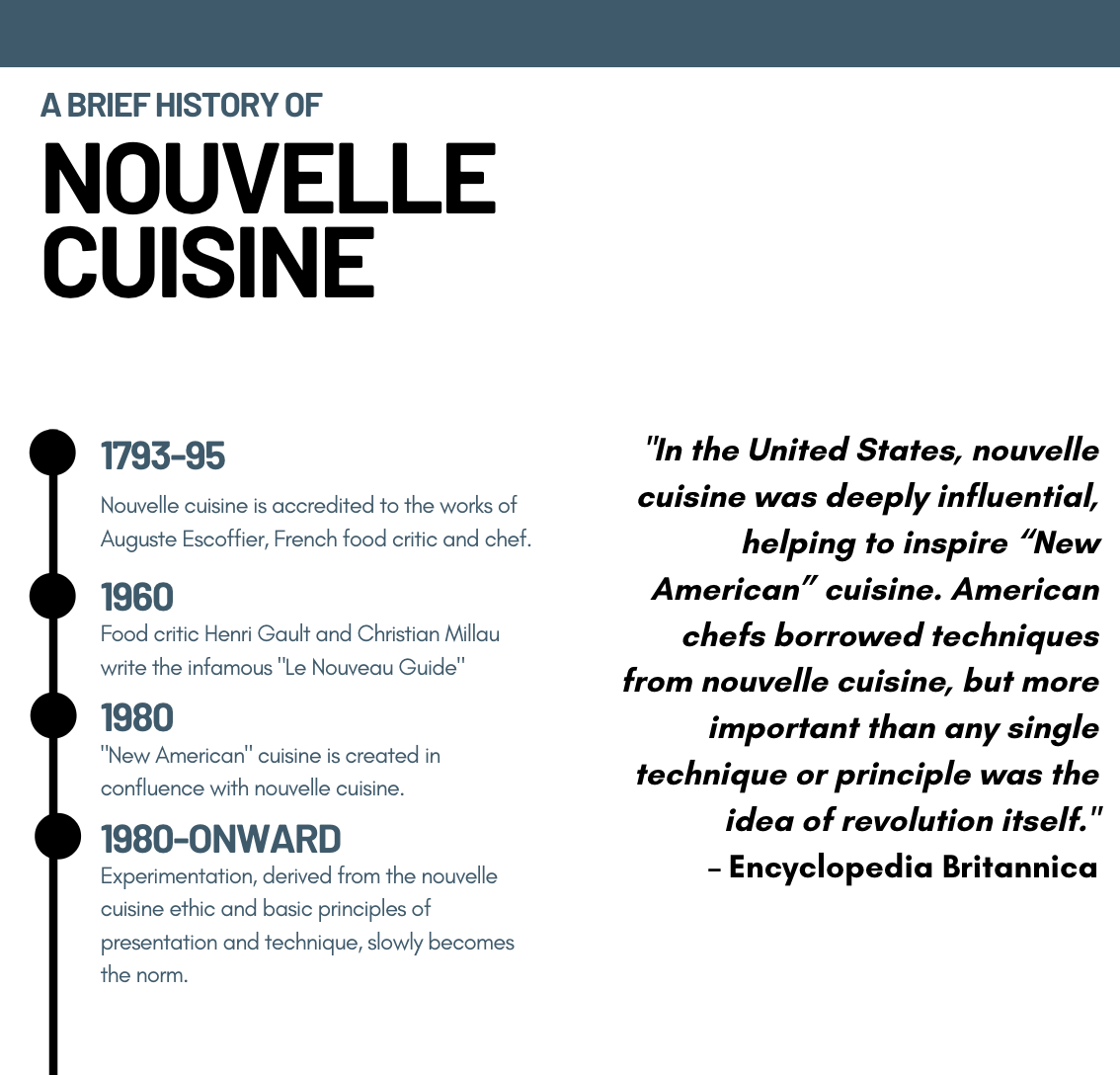
Graphic courtesy of Daniel Cody
Graphic courtesy of Daniel Cody
Last October’s NYC Hot Sauce Expo was an event like no other, wherein enjoyers of spicy condiments meandered through stands and kiosks, picking out their favorite heat-inducing additives and ingredients. Celebrating culture through food is a timeless commonality in human history, but the particular celebration of hot sauce and other spicy sauteés is a niche, nouvelle interest.

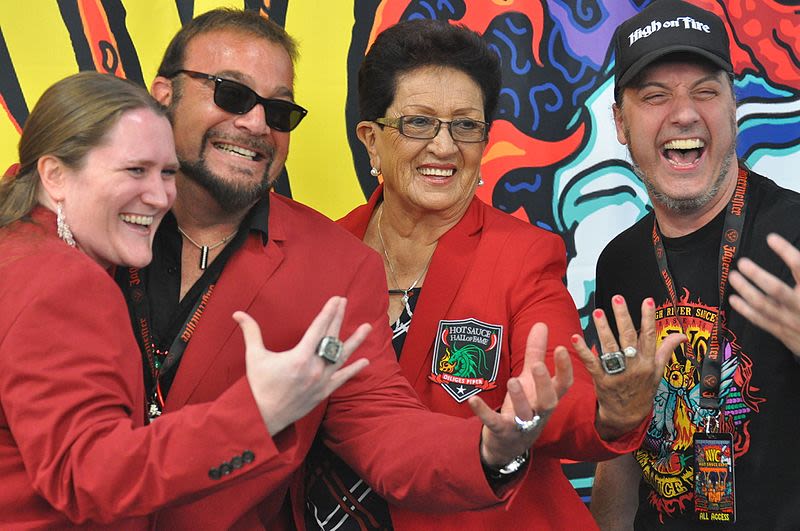
In 2016 Marie Sharp of Marie Sharp Fine Foods in Dangringa, Belize, accepted her induction to the New York City Hot Sauce Hall of Fame. Photo credit Wikimedia Commons.
In 2016 Marie Sharp of Marie Sharp Fine Foods in Dangringa, Belize, accepted her induction to the New York City Hot Sauce Hall of Fame. Photo credit Wikimedia Commons.
Cooking and food can generate a sense of common interest in unusual circumstances, and with the turning tide in food experimentation, the public can mix and match cuisines and cooking techniques. There is no limit to nouvelle cuisine, because the nature of new-age cooking is experimentation itself.


French chefs Henri Gault and Christian Milau coined the term “Nouvelle Cuisine” in 1973. Photo credit mekeilcebedo.
French chefs Henri Gault and Christian Milau coined the term “Nouvelle Cuisine” in 1973. Photo credit mekeilcebedo.

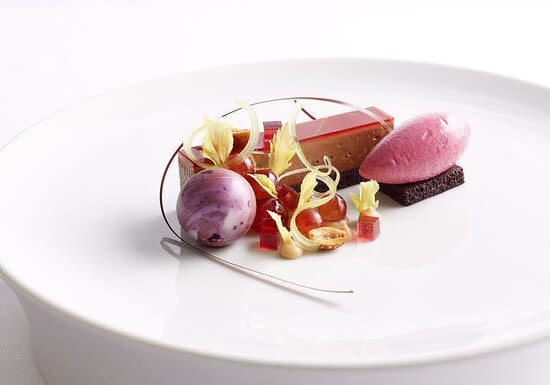
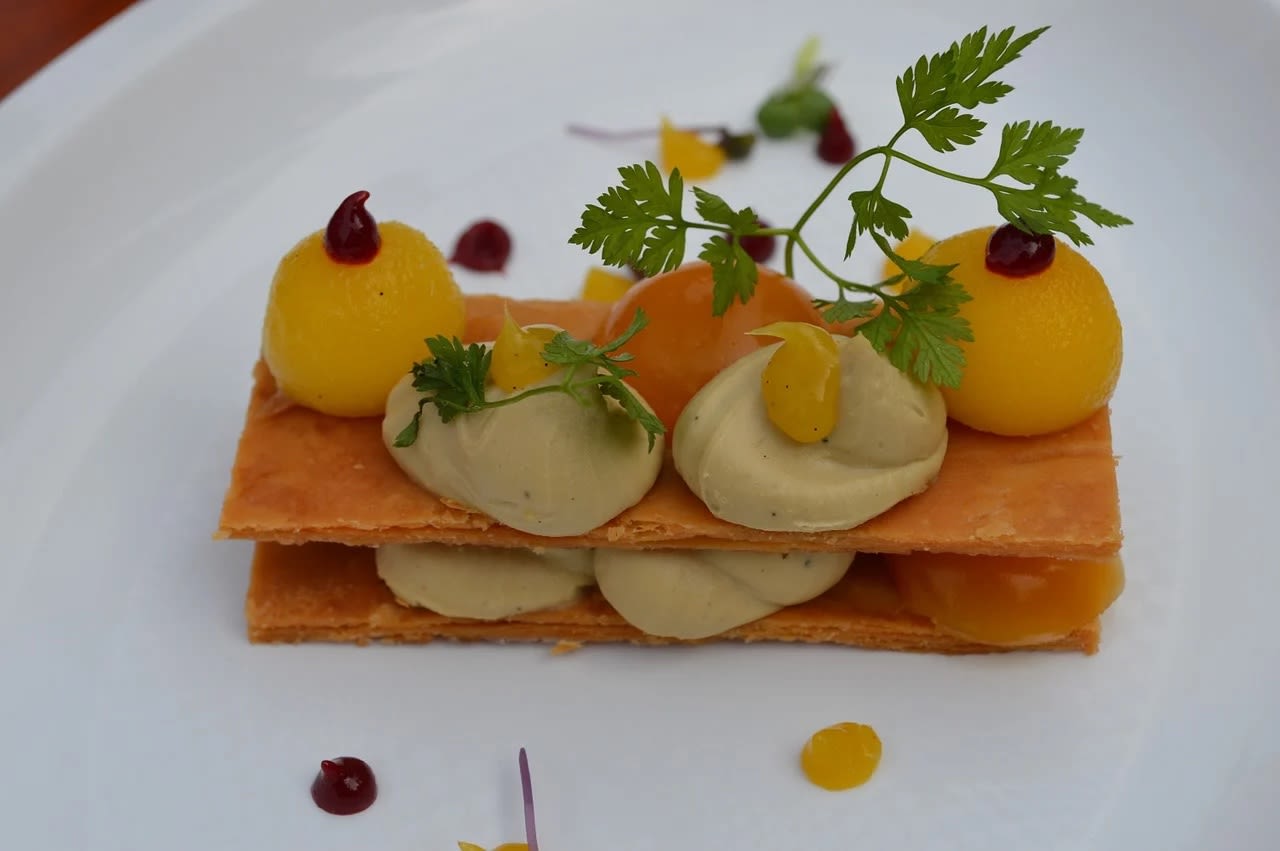
Desert prepared in a nouvelle cuisine fashion at Per Se restaurant in New York. Photo credit Tripadvisor.
Desert prepared in a nouvelle cuisine fashion at Per Se restaurant in New York. Photo credit Tripadvisor.
The public is well aware of experimental food and recipes
Sophomore Hofstra English major Dominique Warring doesn’t cook often when she’s at home, but she’d like to learn more about cooking and experimenting with foods.
“It’s a skill that everyone should have,” said Warring. “In certain situations it’s important to know how to cook for yourself, especially once you're in your own space. No one’s going to do that for you and it’s not healthy to eat out every night.”
However, after encountering chocolate covered bacon, Warring says that her drive to experiment conflicts with the heavy contrast of treats like chocolate covered bacon.
“The texture was kind of weird,” said Warring.
“The bacon was really rich and fatty, and the chocolate was sweet and smooth. So, I feel like that is an interesting combination. It wasn’t terrible, but it’s not something that I want to try again.”
Culture at large is drifting toward experimental foods and specialty food items, but the question of whether experimentation is healthy and good is entirely dependent upon the ingredients and dishes being prepared. Nouvelle cuisine, while being the hottest method by which most cooking dilettantes are honing their skills, is different from health-conscious or superfood genres, which comprise another phenomena altogether.
“There’s always different food because each food has its own intrinsic value," said Dr. Nancy Mazarin, a nutritionist who practices in Nassau and Queens. "Dark vegetables have certain nutrients that are higher than the orange vegetables– and then the fruits as opposed to other foods. So, you want diversity, but you want real food.”
Mazarin encourages people to experiment with their food and mix cuisines, while also being conscious of media trends and fads that point out “new” foods. Recently created or viral combinations that point out a “new” food should be avoided.
“Beware of the hype. Anything that’s hyped, be suspect,” said Mazarin.

 Built with Shorthand
