
Tasting History: Hostaria Antica Roma
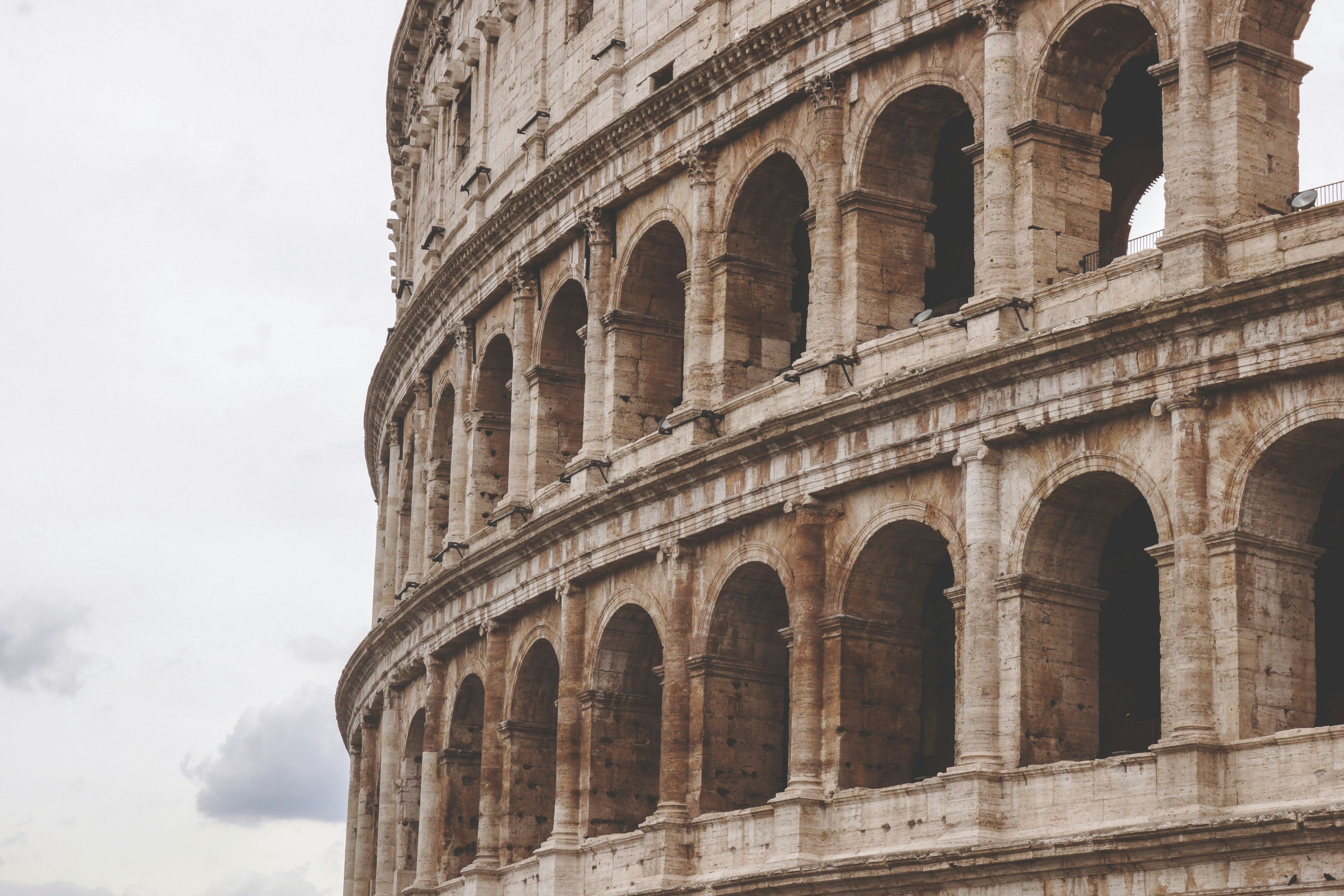

Traditional Italian food varies across pastas, pizza, antipasti with cured meats and cheeses, and more through recipes spanning generations. Alongside it, the streets of Rome are filled with artifacts and ruins from thousands of years ago providing a glimpse into the life of the Roman Empire. But what did people in ancient Rome eat?
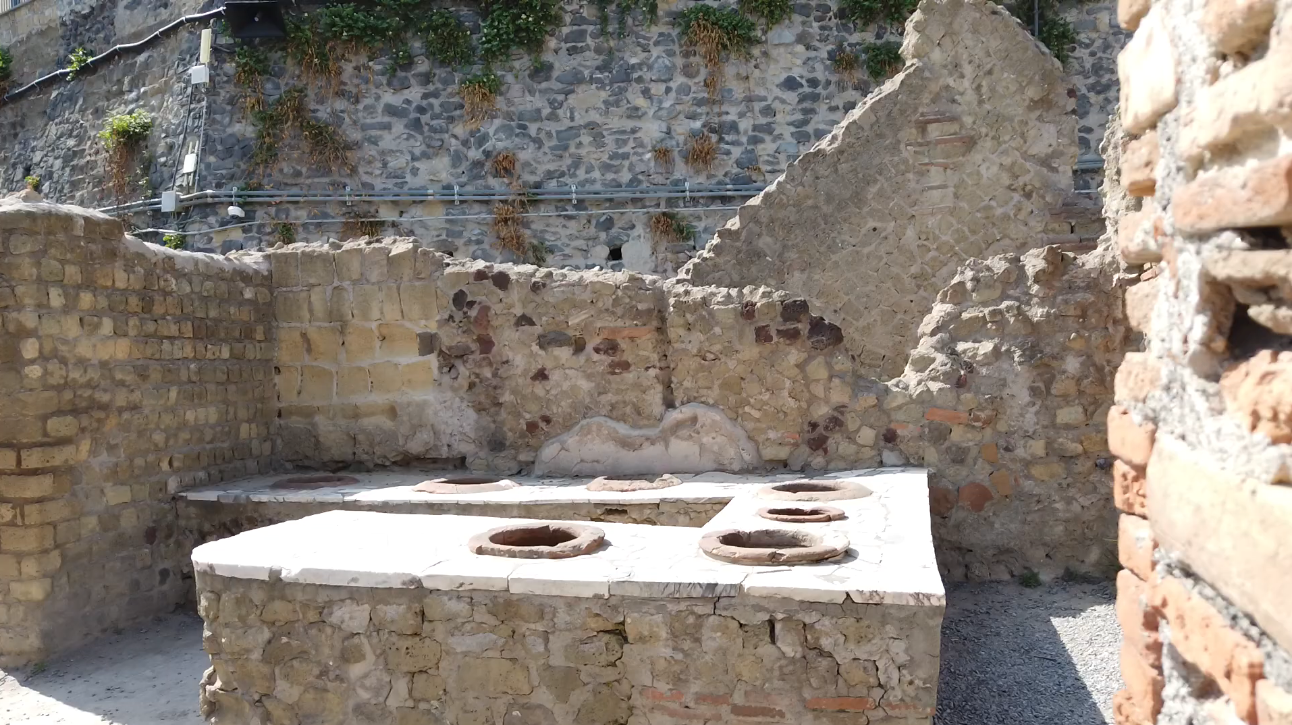
Traces can be seen within the surviving buildings of Ercolano in Napoli containing two ancient restaurants. Each utilized long rectangular bars with several circular built in pots holding fire to heat food. The larger of the two was built on a corner leading it to become a central spot for locals at the time. Despite evidence of how the food is prepared, when it comes to the flavors and dishes themselves, recipes of ancient meals are hard to find. A family-owned restaurant called Hostaria Antica Roma on the outskirts of the city is determined to uncover them and explore the taste of history.
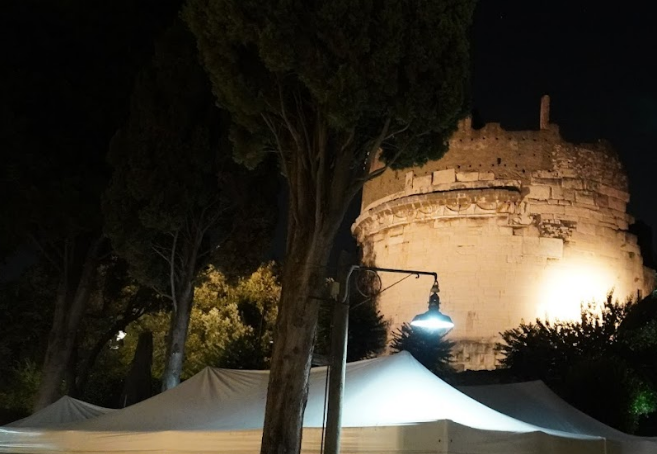
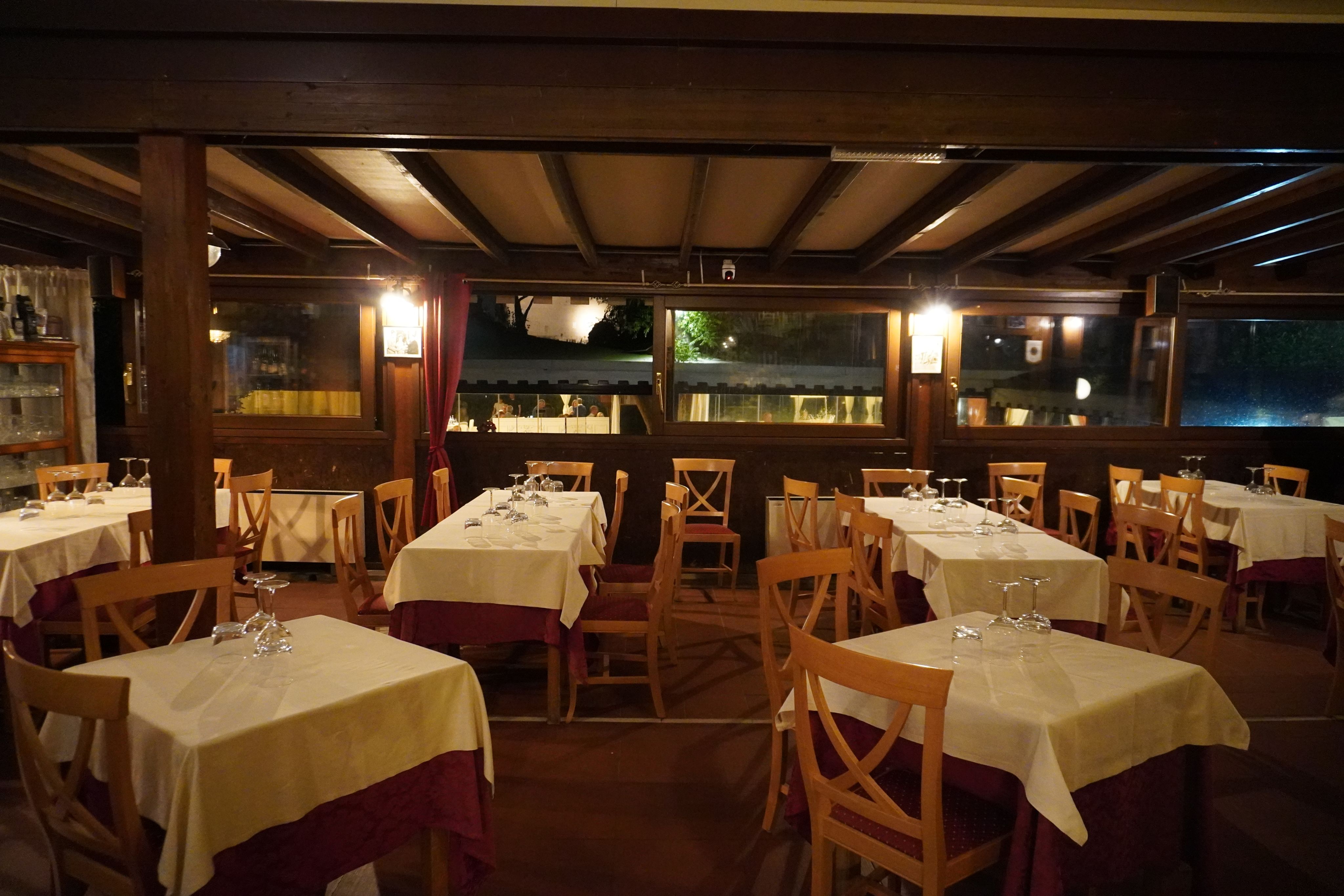
Located on the Appian Way inside an archeological park next to the Mausoleum of Cecilia Metella, they work to create a menu that allows visitors not only to see the remains of ancient Rome around them but to immerse themselves in the past through food. Referring to themselves as the "Guardians of true roman cuisine", the restaurants' passion for keeping these recipes alive is unmatched (Paolo Magnanimi). Paolo Magnanimi, the owner, has put together surviving recipe scraps and ingredients to "protect the heritage of the Roman time" by designing dishes similar to what would have been consumed in the Roman Empire.


Founded in 1982, Paolo describes the creation of Hostaria Antica Roma centered on Italian tradition starting "from the kitchen 2000 years ago" as each dish reflects the continuation of family history from ancestors in ancient Rome to modern day Italian culture.
He discusses his passion for the ancient dishes despite facing initial backlash from his family who started the business with him stating, "everyone can read a book about Julius Ceaser, but you know, I'm so more curious about the normal life, the people". As a compromise, the restaurant serves a mixture of modern food as well as ancient dishes, though quickly developed a reputation as the first restaurant to ever serve true and tasty authentic Roman food. Customers rave about the combination of history and flavor. Diner Chiara Peduto describes the ancient food as adding "charm" to quality dishes with Paolo "enriching our (their) culinary experience with anecdotes and stories" about the history behind the food.
Specifically inspired by Roman-Lazio tradition, Paolo's extensive research of ancient cookbooks including one of the first discovered, Marco Gavius Apicio's "De re Coquinaria” as well as others written by Carnacina, Ada Boni, Columella, Adolfo Giaquinto and more allow him to recreate dishes of the past. Furthermore, the recipes are designed to emphasize simple flavors within Italian fruits and vegetables including local foods that are native to Italian soil from pine nuts to olive oil and more.
The authenticity is important to Paolo as many ingredients associated with Italian cooking today did not exist in the Roman Empire, for example, tomatoes which "came in the 1540s" (Magnanimi). On the other hand, Mediterranean spices are woven within each meal as they were much more common in Ancient Rome than in modern Italian cuisine. Rather than basil and garlic, ancient meals consisted of spices such as cumin, coriander, or ginger.



I Piatti of Ancient Rome
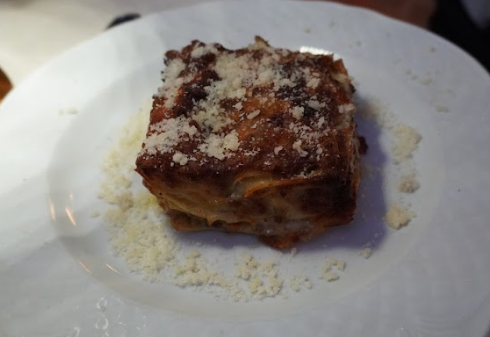
Patina Cotidiana
Patina Cotidiana is the roots of what we know today to be lasagna. It consists of layers of pasta and meat ragù. Dating back 2000 years, it was originally known as "de re coquinaria" and combines the elements of an omelet with pasta. It is differentiated from its modern version by its lack of tomato sauce.
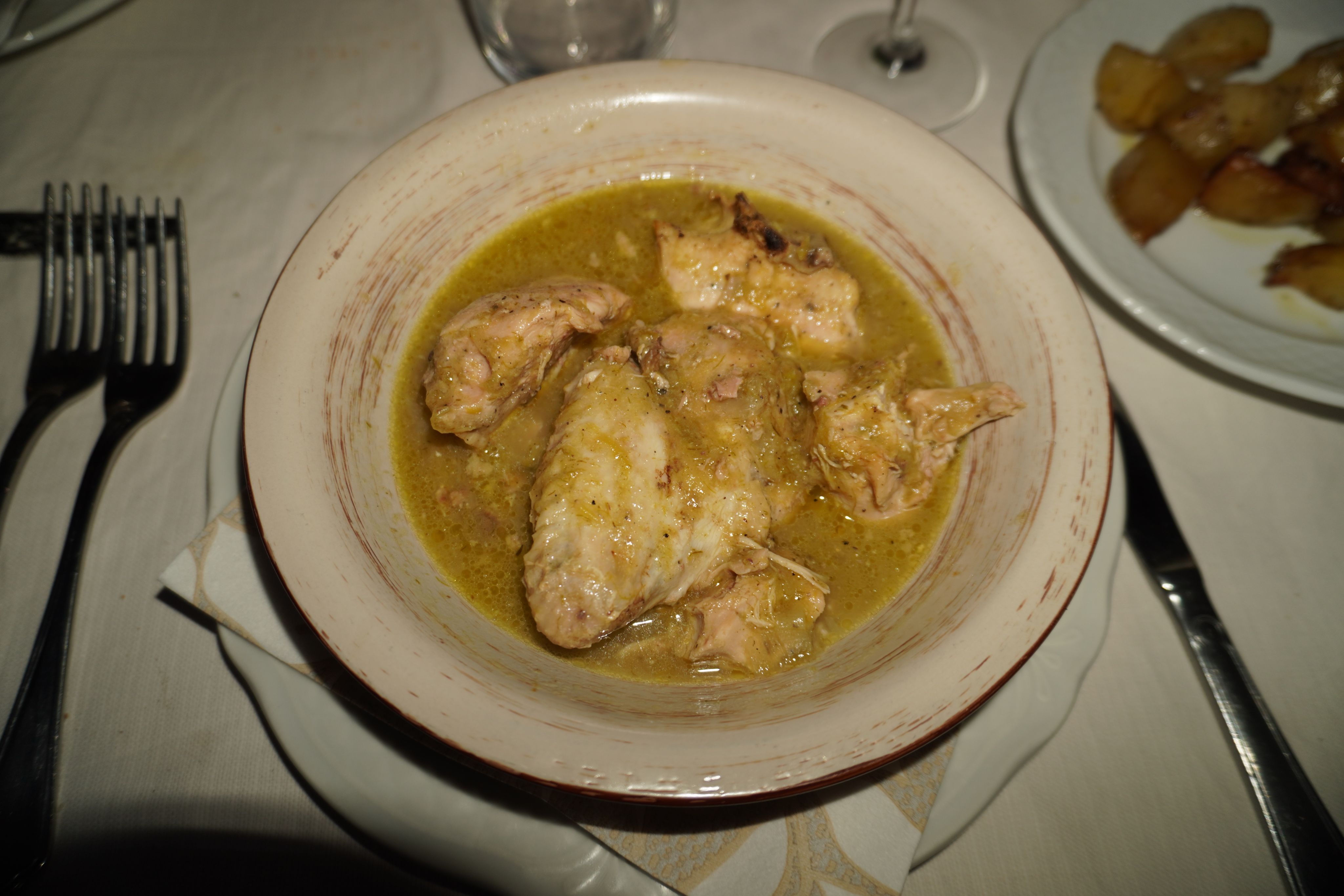
Pollo Oxizomum
Pollo Oxizomum is a chicken dish utilizing an ancient, fermented fish sauce called garum with anchovies, leeks, vinegar, and olive oil. The recipe is not an exact match to what would have been served but stays true to the ingredients and main qualities of the dish's ancient counterpart.
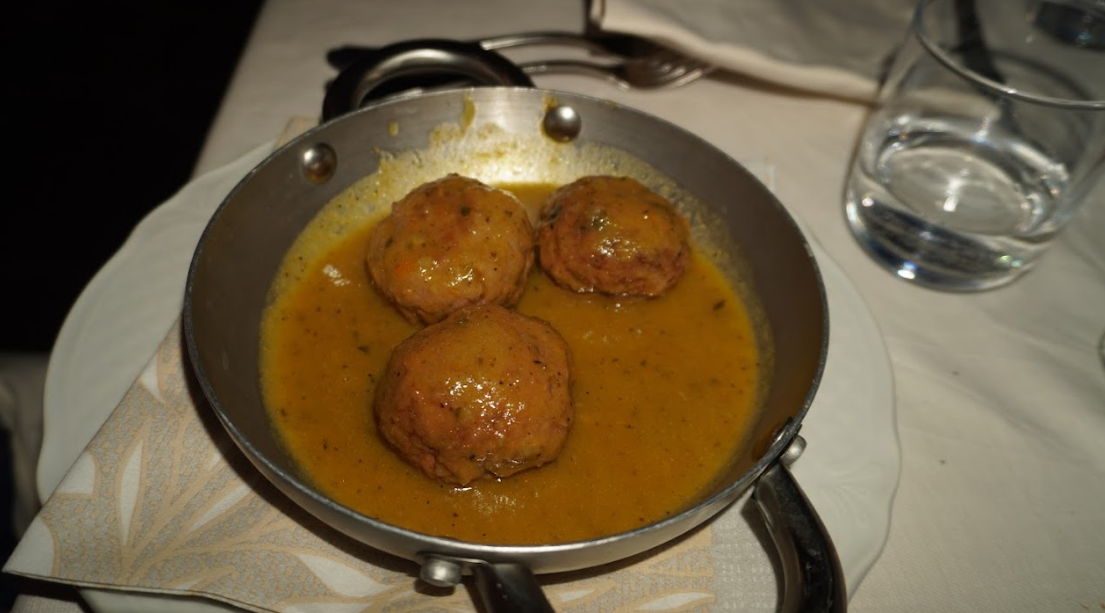
Esicia Omentata
Esicia Omentata is type of Roman meatballs cooked in a red wine sauce with various ancient ingredients mixed alongside the meat. Originating from an ancient Roman cookbook called Apicius from the 4th-5th century AD, this dish contains meat, pine nuts, wine, and a fish based sauce, also often garum.
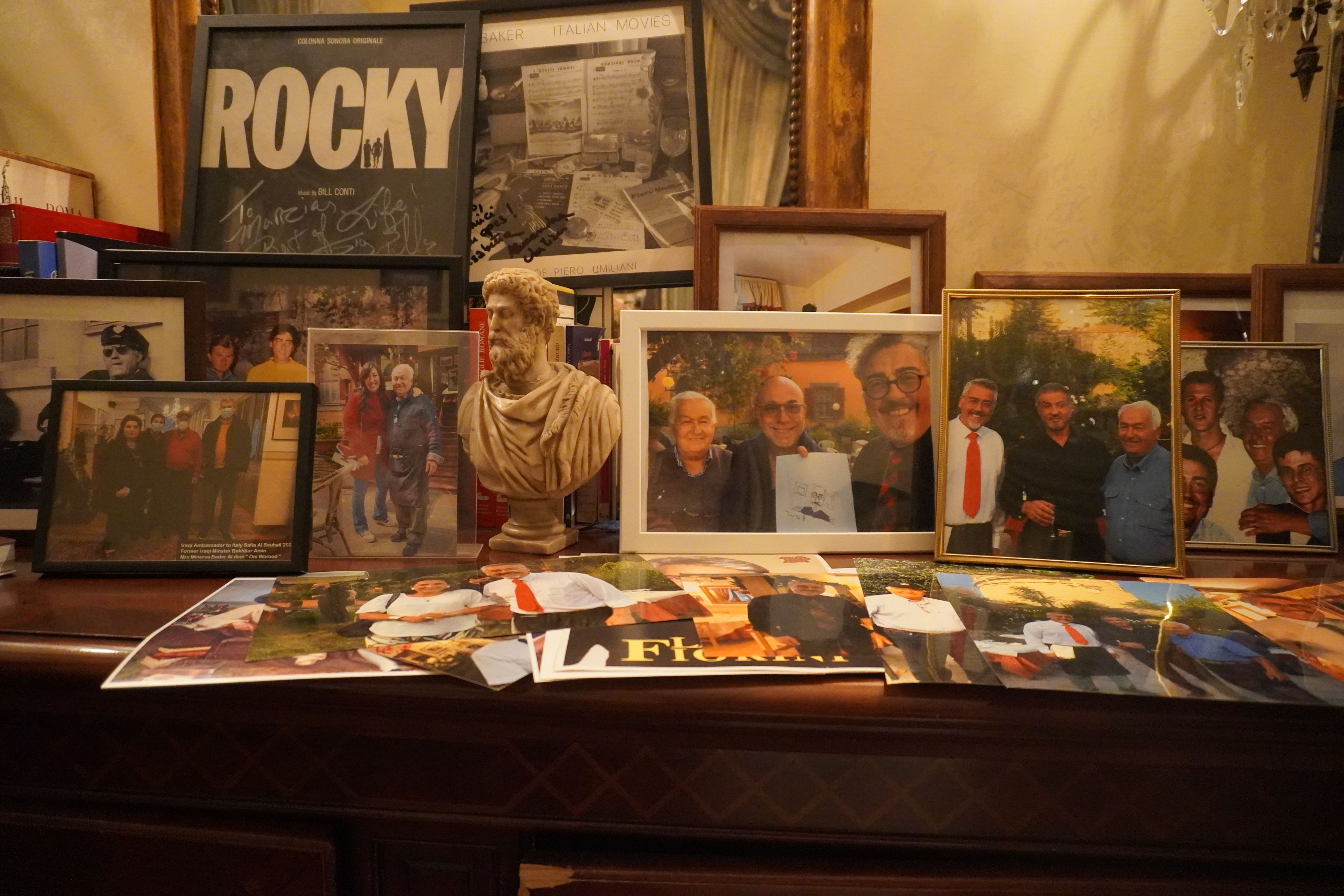
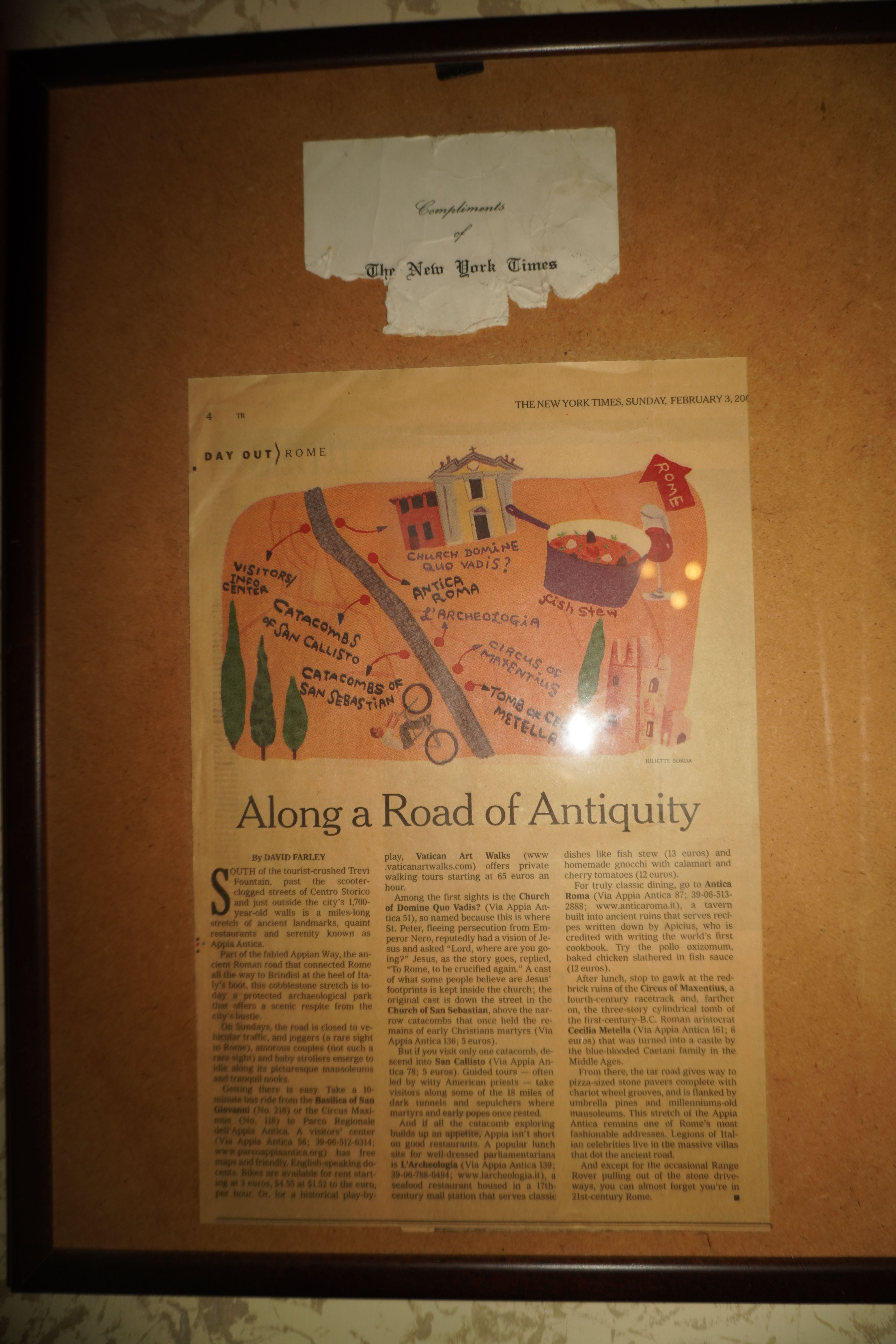
Paolo's study and recreation of these foods cemented the restaurant's place alongside educators and researchers of ancient history. The restaurant was featured in various articles and papers including the New York Times, has been referenced in four separate novels, and its reputation of excellent cuisine has led countless celebrities to the table. After recreating an ancient cheese recipe and studying the origin, Paolo was awarded a medal and enjoys telling the story to immerse his guests in the cultural history and flavors of the dining experience.
By recreating and building off of these century old flavors and meals the restaurant keeps the legacy of ancient Italian food and tradition alive. Customer Caius Graco states "you haven't been to Rome without eating like the Romans did" expressing the antiquity of the food as "a real treat". Other diners such as Simon Amari shared similar opinions of "tasteful food, old recipes" enriching their experience through the culture and context of the food. Paolo continues to research and create new dishes leading Historia Antica Roma to become a trendsetter for recreating and preserving the cuisine of Ancient Rome.


 Built with Shorthand